Helping Today  Helping Tomorrow
 Promoting Biotechnology-Based Sustainable Livelihoods in the Sundarbans:
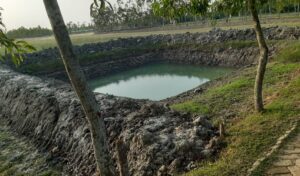
Biotechnology is an emerging career field in India with vast potential in agriculture, health, and environment. In the Sundarbans, communities largely depend on traditional practices with limited exposure to modern biotechnology. To bridge this gap, SIDS initiated biotechnology-based programs focusing on sustainable farming. Ponds were excavated for integrated agriculture, fish farming, duck rearing, and plantation using compost and organic inputs. Saplings were planted on pond banks to protect the environment, while awareness activities like drawing competitions engaged students. These initiatives promote eco-friendly, biotechnology-dependent farming and livelihood opportunities.
 Community Action for Sustainable Water Resource Management:
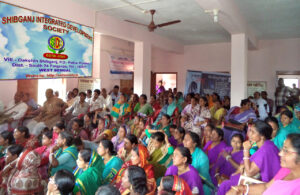
Water Resource Management focuses on the planned use, conservation and protection of water while addressing risks such as floods, droughts and contamination. With growing water scarcity and rising disasters, responsible water use is essential. To promote awareness, SIDS organized a one-day workshop at Pathar Pratima Community Hall with farmers, Panchayat representatives, youths and women’s groups. The program enhanced understanding of water conservation, included wall writing for awareness, and repaired long-choked tube wells to ensure safe drinking water for the community.
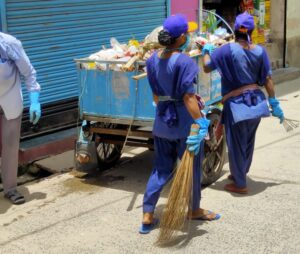 Community-Based Solid Waste Management for a Healthier Environment:
Solid waste refers to unwanted and discarded materials generated from human and animal activities. Effective Solid Waste Management involves the collection, treatment, and safe disposal of such waste to prevent environmental pollution and outbreaks of vector-borne diseases. The organization engages three workers to collect garbage from small markets, densely populated areas, and schools, transporting it to the Gram Panchayat–run fertilizer manufacturing plant. Regular awareness camps are organized to educate communities on the harmful effects of improper waste disposal and its impact on human health.
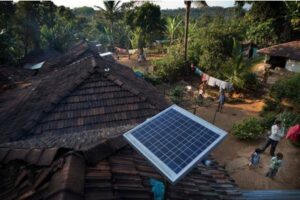 Solar Energy Lighting the Path to a Sustainable Future:
India largely depends on coal-based power, but limited reserves and rising demand make renewable energy essential. Solar energy is clean, safe, and cost-effective, producing electricity without greenhouse gas emissions. Promoting energy efficiency and conservation through solar power can bridge the energy gap, especially in rural areas. Recognizing this, the organization installed solar lights in poor households of Rakshaskhali village, Pathar Pratima block. The initiative improved students’ education and enhanced the health and safety of senior citizens while protecting the environment.
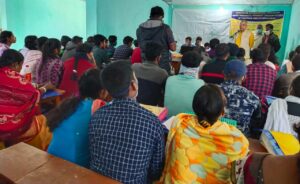 Promoting Biodiversity Awareness in the Coastal Ecosystem of Sundarbans:
Biodiversity, the rich variety of microorganisms, plants, animals and ecosystems, plays a vital role in maintaining ecological balance. An Environmental Education seminar on Biological Diversity and the coastal ecosystem of Sundarbans was held at PatharPratima Community Hall with support from the West Bengal Biodiversity Board. Experts, local leaders, students, youths and community members actively participated to enhance awareness and conservation efforts.