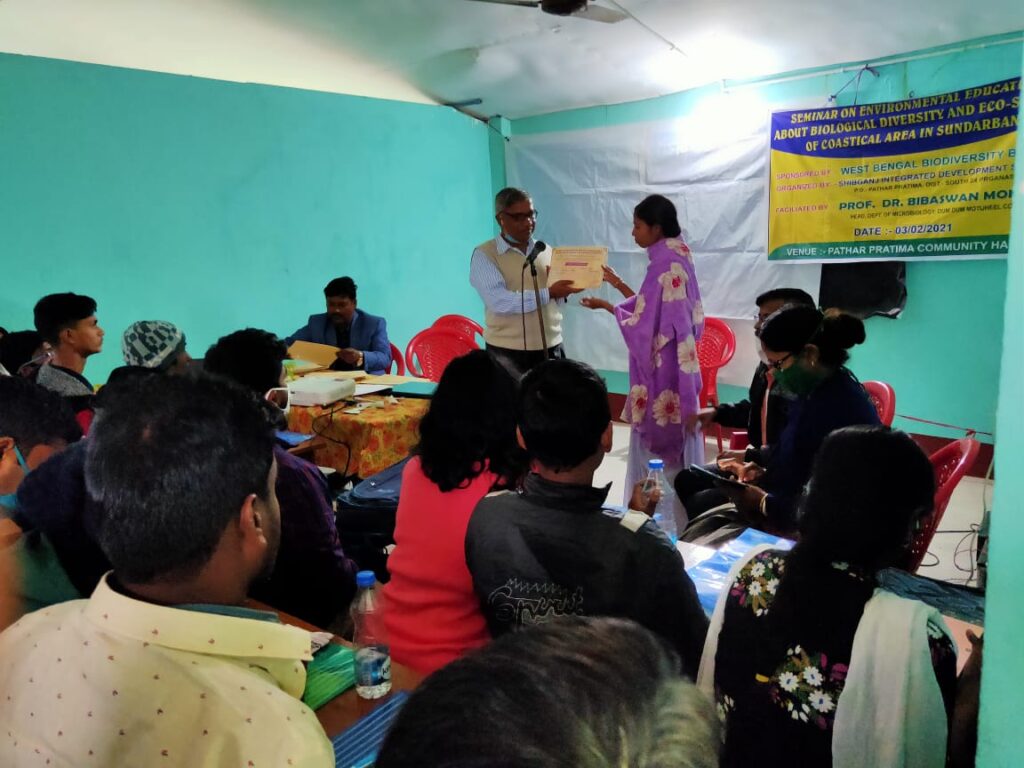
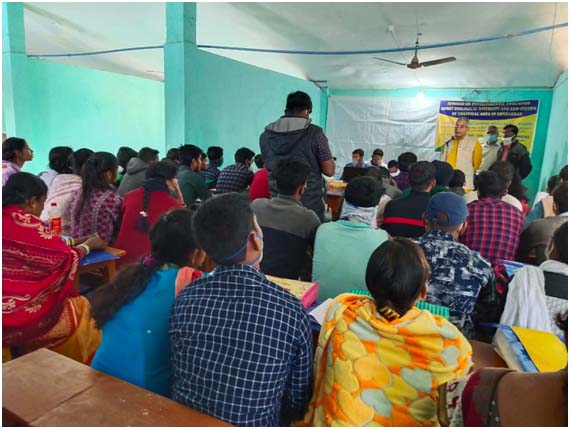
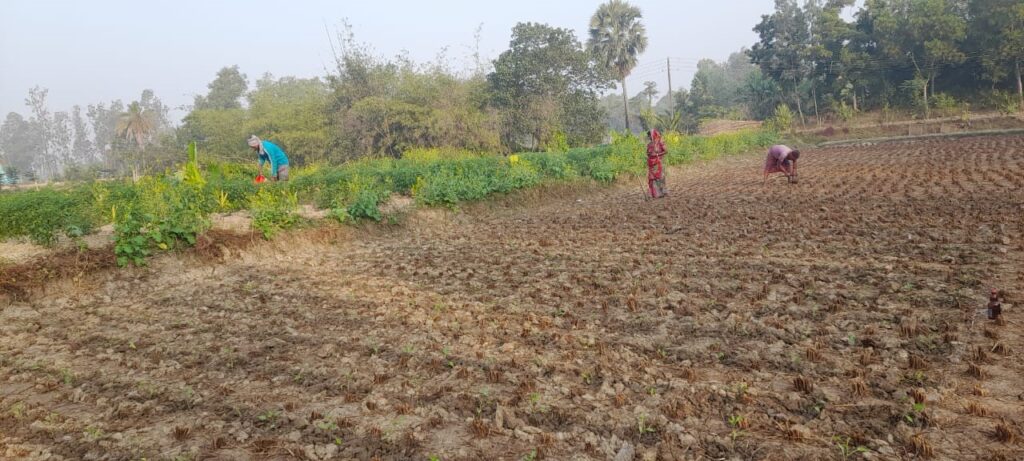
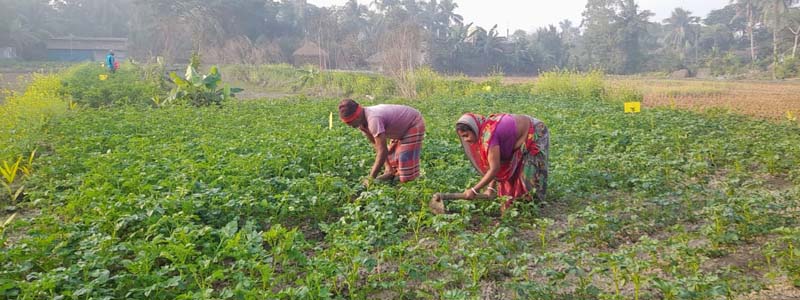
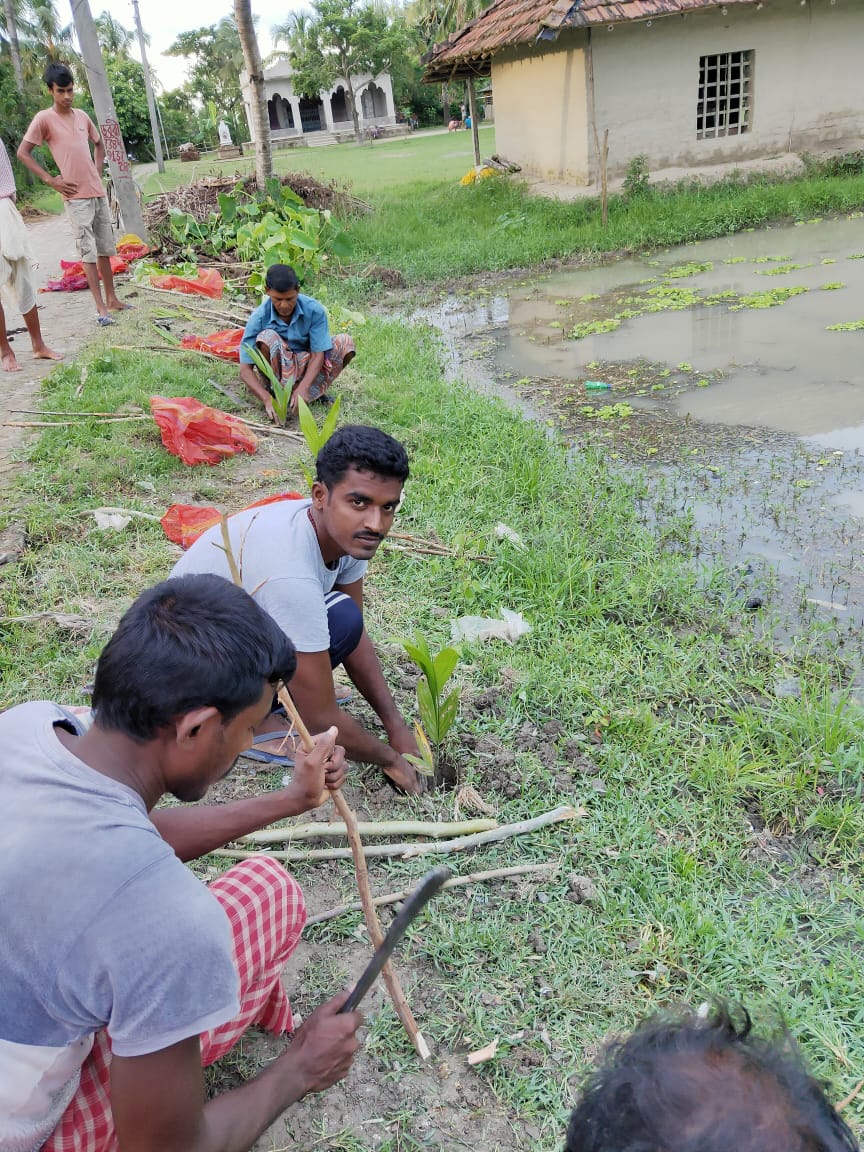
Mangrove Plantation
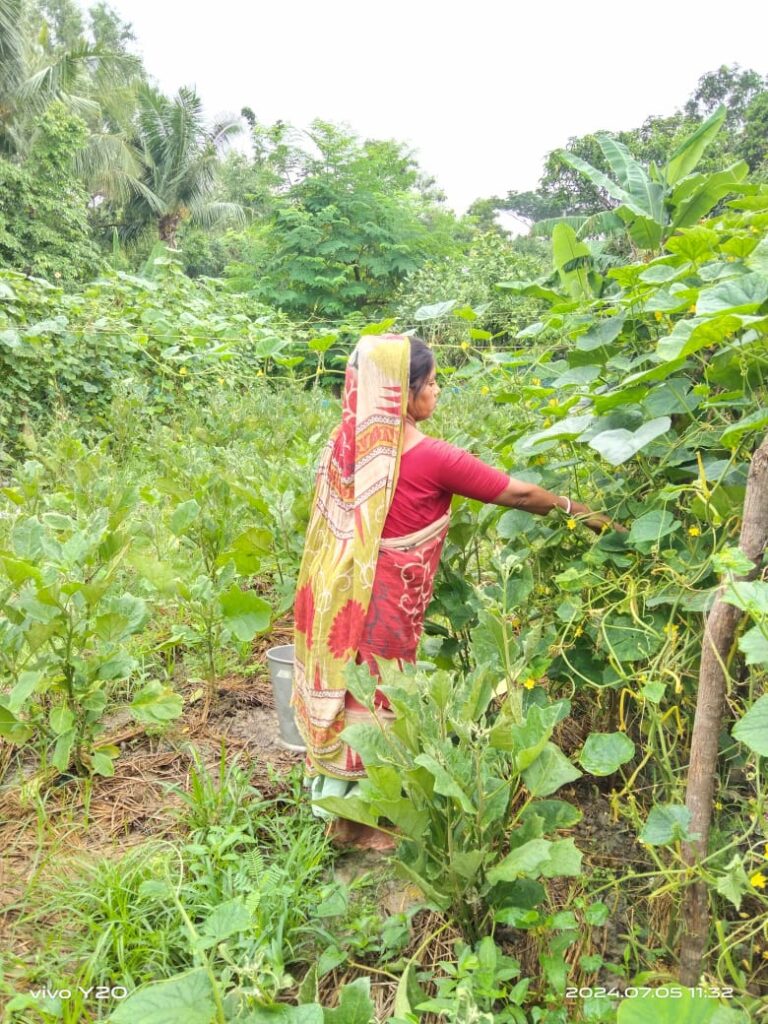
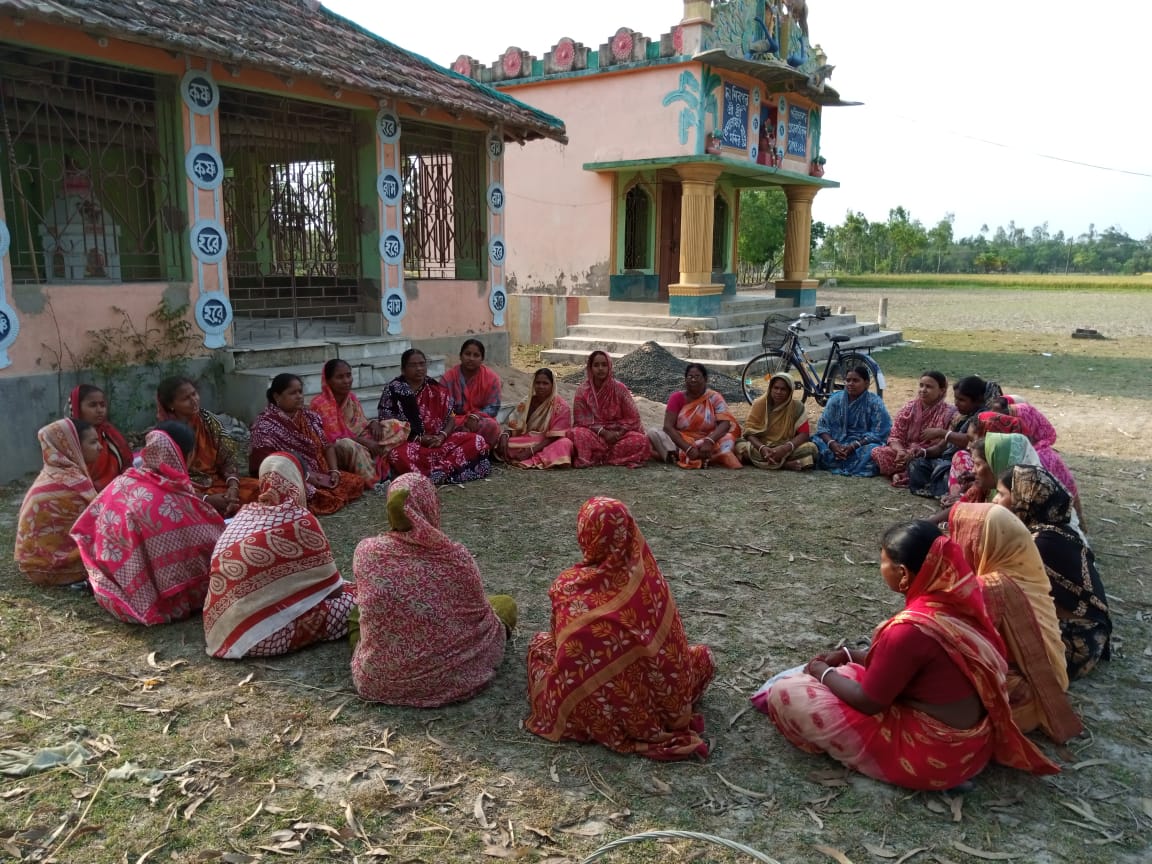
Fruit Seedlings Distribution Among Women
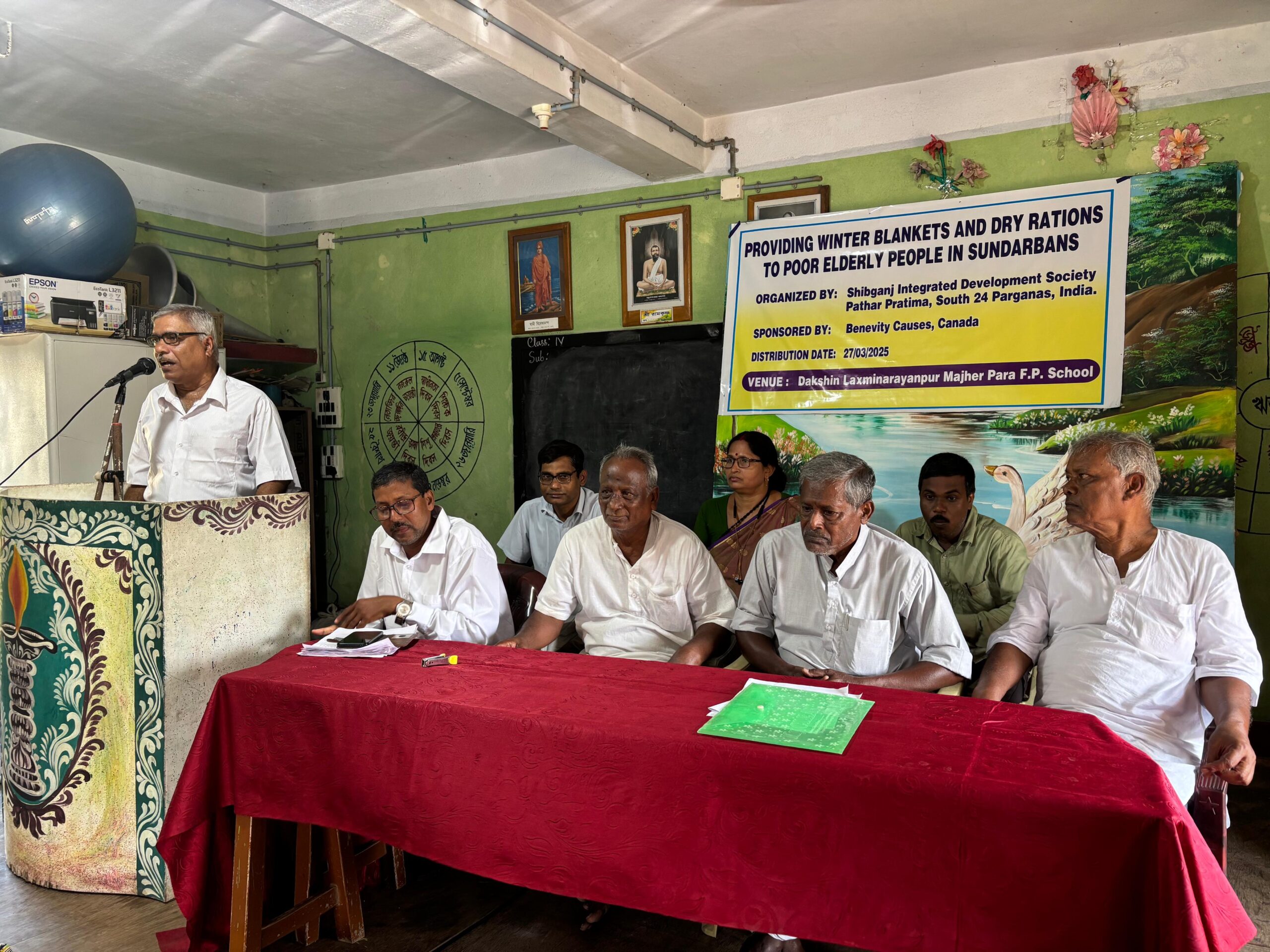
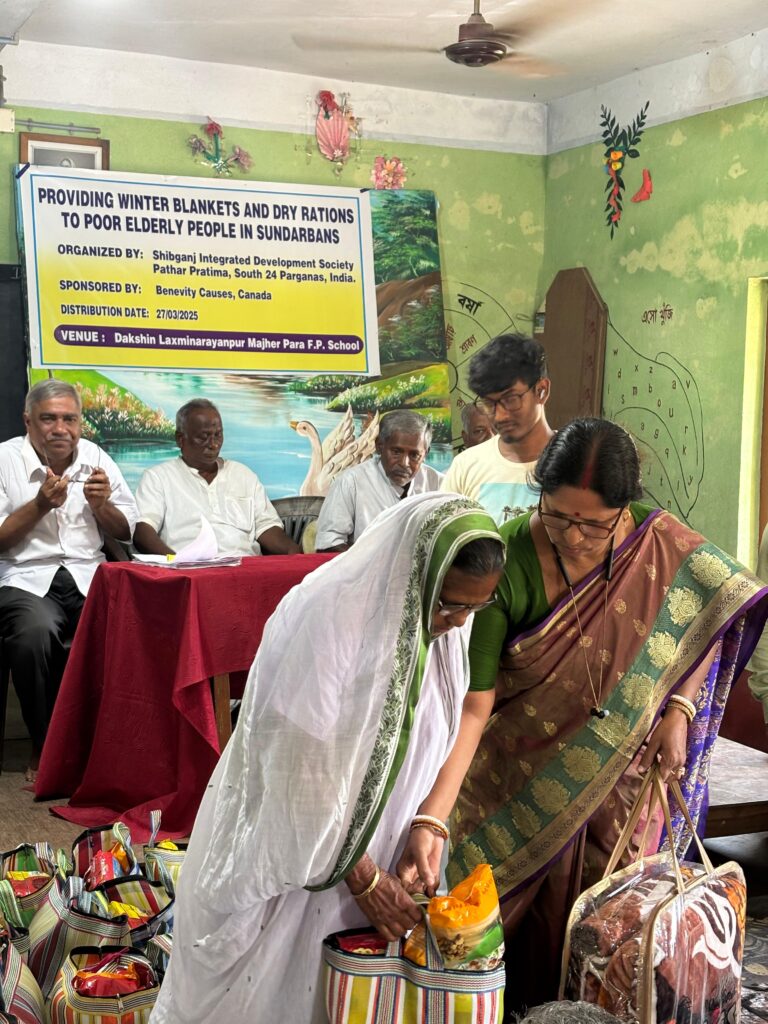
Winter Warmth
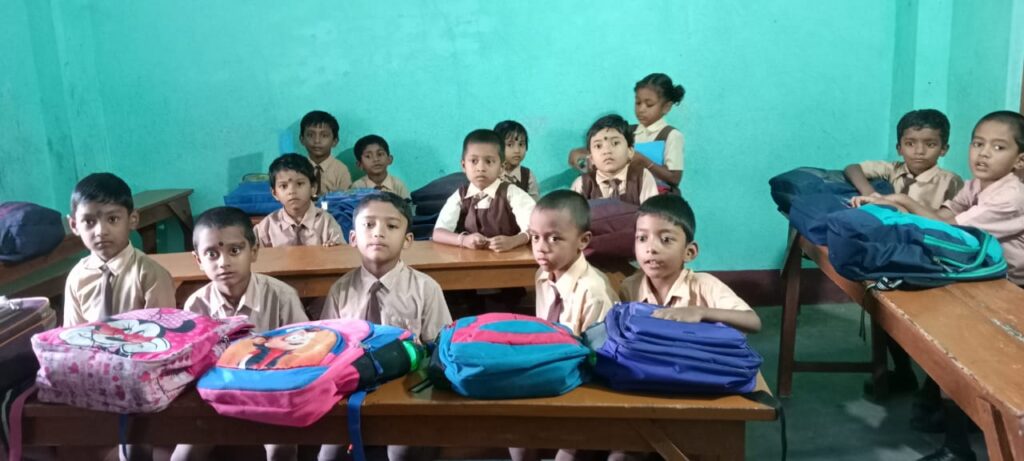
Combating Child Trafficking
ICDS
Welcome to Shibganj Integrated Development Society

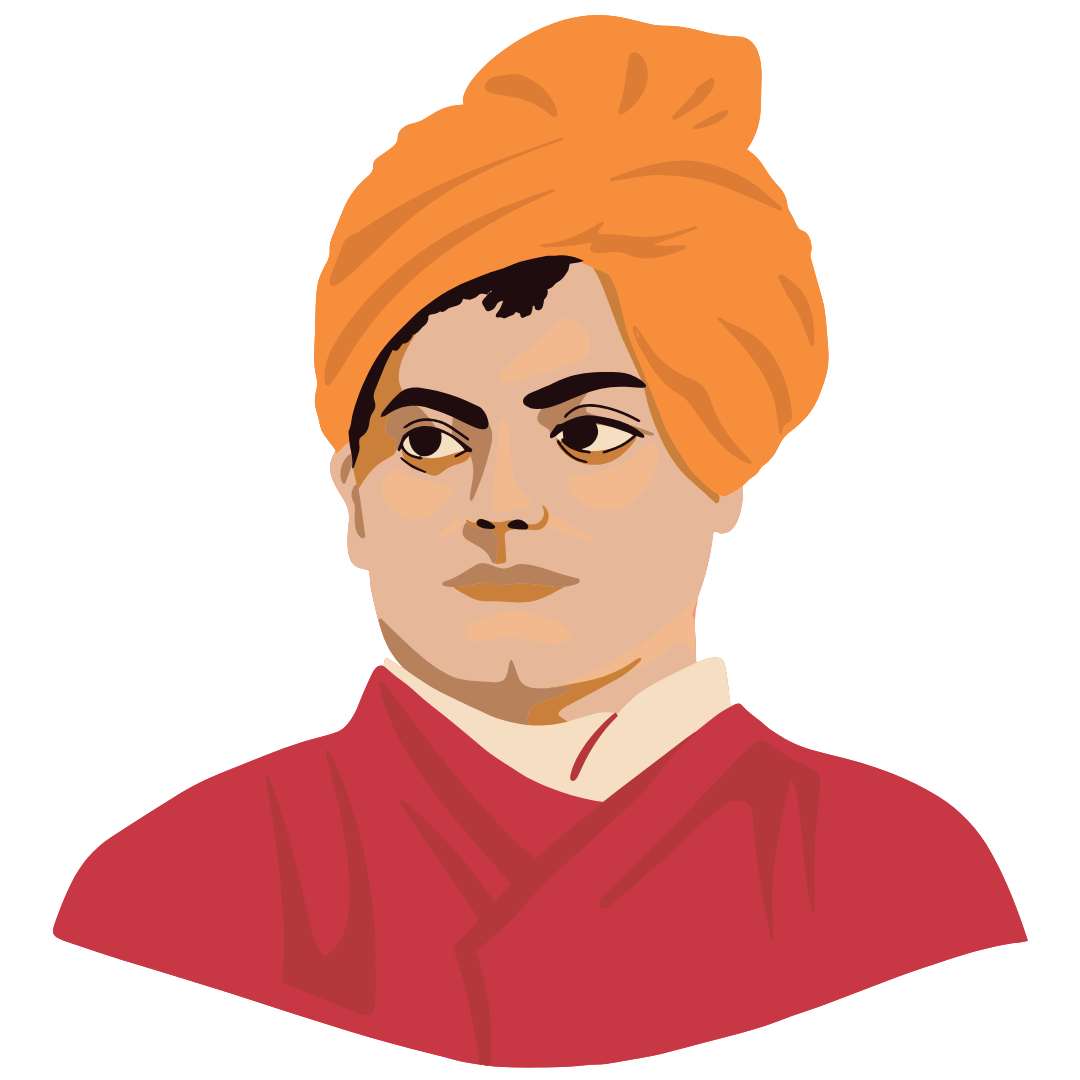
“ALL BEINGS ARE FOND OF THEMSELVES, THEY LIKE PLEASURE, THEY HATE PAIN, THEY SHUN DESTRUCTION, THEY WANT LIFE AND WANT TO LIVE LONG. TO ALL, LIFE IS DEAR; HENCE, THEIR LIFE SHOULD BE PROTECTED.”

....... Mahavira

About SIDS​

   Shibganj Integrated Development Society (SIDS) is a community-based development organization established on 1 April 2005 in the Sundarbans region. It is registered under the West Bengal Societies Registration Act, the FCRA Act, and other relevant government and non-government regulatory frameworks. Governed by a statutory body, SIDS operates in full compliance with applicable laws and the guidelines of its donor partners.
  The organization works for the development of needy and disadvantaged communities in the Sundarbans, focusing on key thematic areas such as education, health, environment, agriculture, digital technology, rights and entitlements, disability inclusion (PWDs), women’s empowerment, and livelihood development.
  Guided by the principles of good governance, transparency, and honesty, SIDS prioritizes the well-being of children, adolescents, students, women, youth, and the elderly, aiming to create sustainable and inclusive development across the region.

Our Commitment

Health 1

Health

Health is a state of complete physical, mental and social well- being. Health is important to live life to the...
Education

Education

Education is the birthright of every child. Children are the future of our nation. Education is an essent...
Women

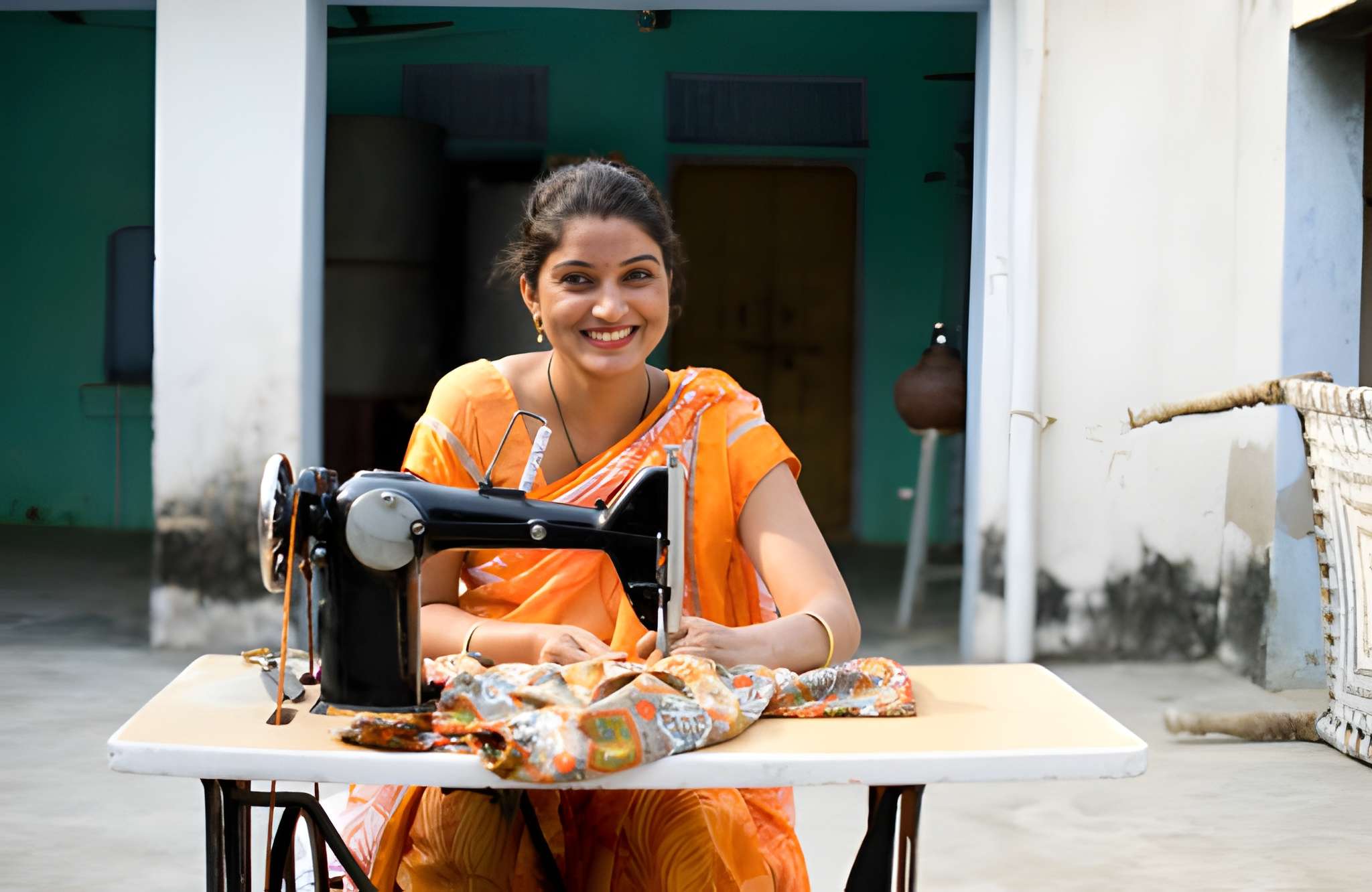
Women Empowerment

Empowering women is a fundamental right of women. Empowering women is essential to the health and...
Envirom

Environment

Environmental protection is one of the basic prerequisites for the overall development of any country in the...
Agri

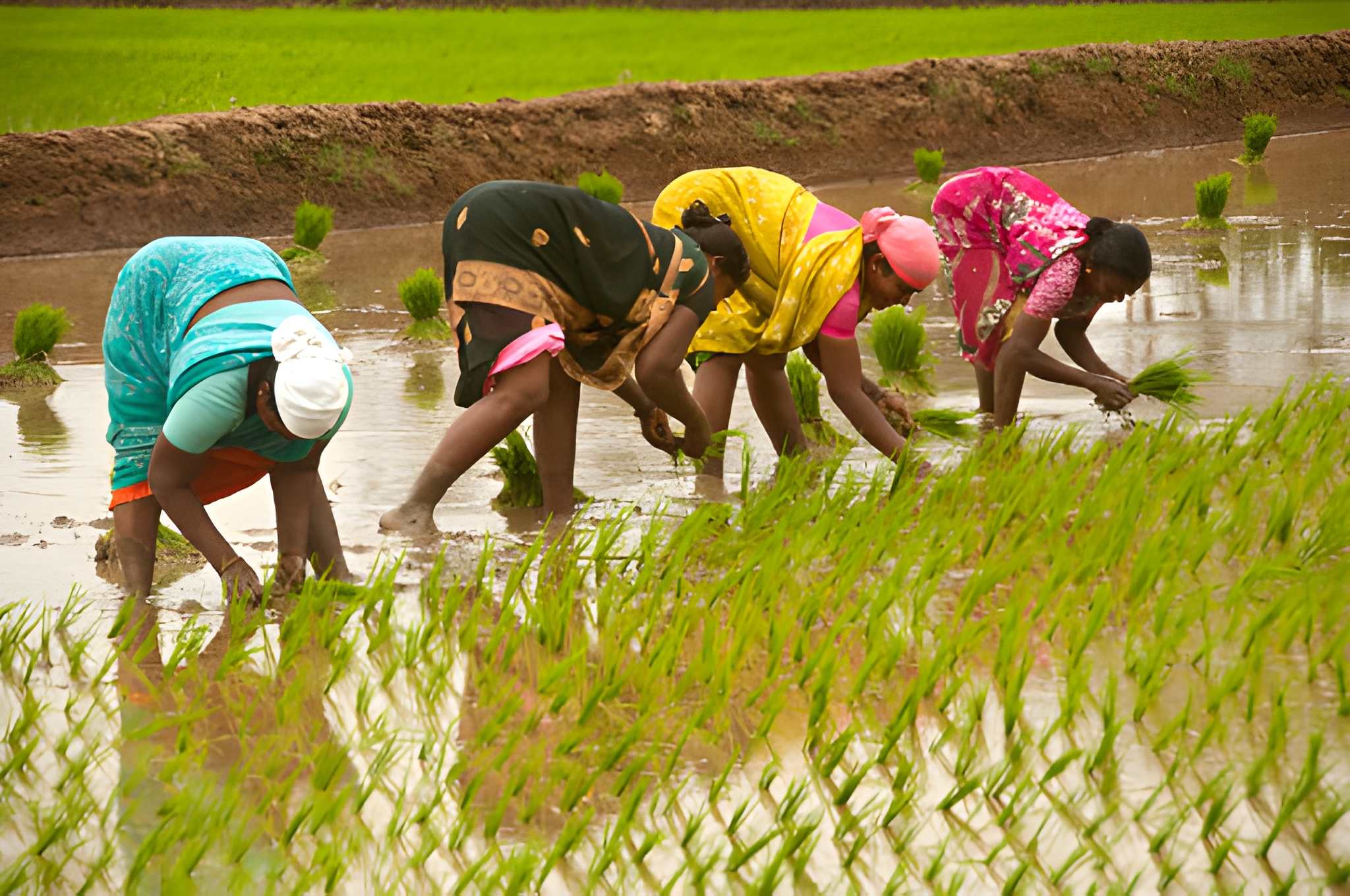
Agriculture

India is a global agricultural powerhouse. It is the world's largest producer of milk, pulses, and spices and has...
Rural Dev

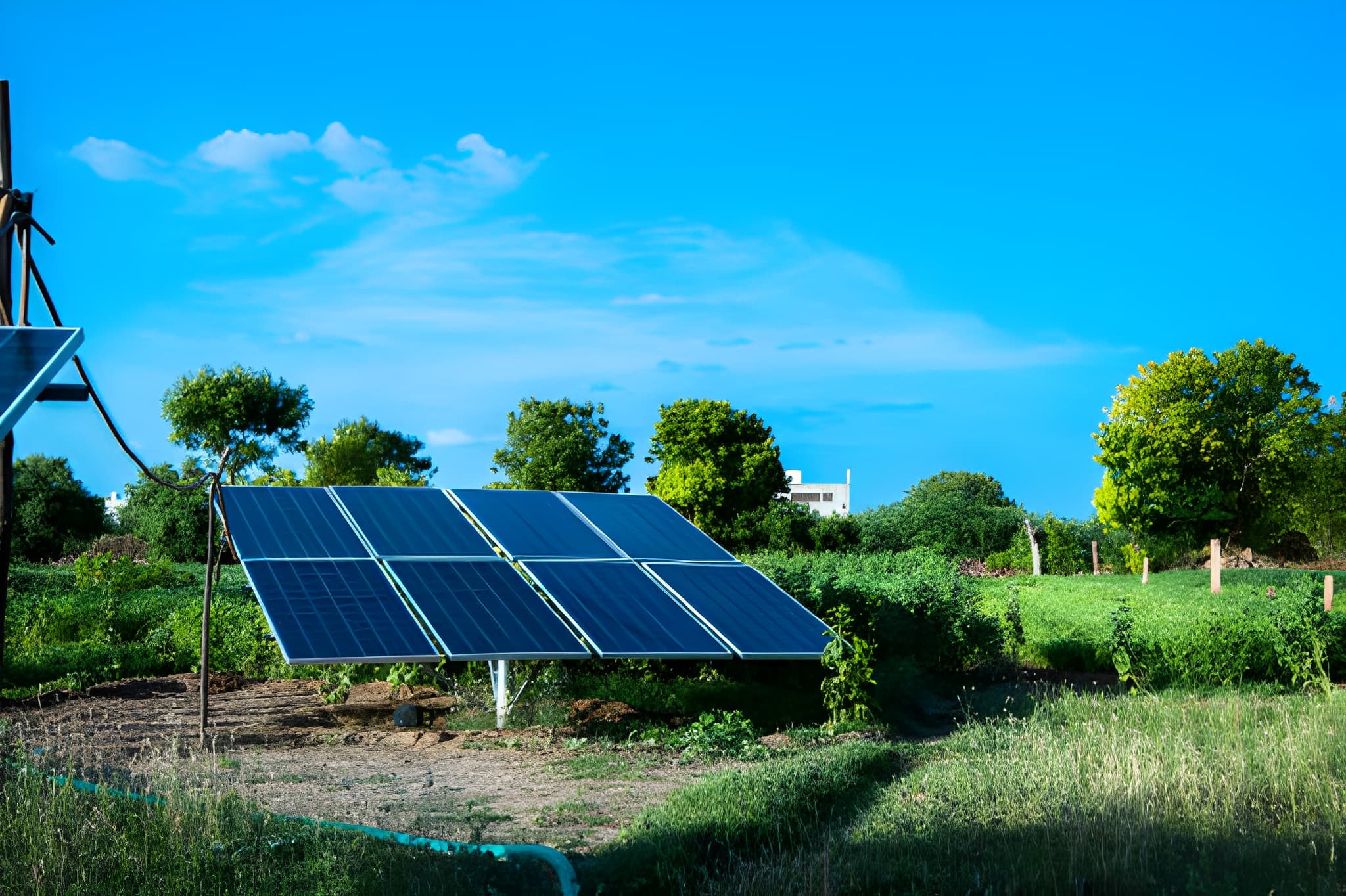
Rural Development

Rural development is the process of improving the quality of life and economic well-being of people livin...
Our Core Values

  • We believe that every person is a seed that can be nurtured to help grow a better world.
  • We believe that every person’s human rights should be respected, affirmed, and fulfilled.
  • We believe that by solving problems at the community level, we can strengthen a beautiful society.
  • We believe that Responsibility, transparency and Accountability make an organization grow.
  • Pursuing innovative and effective solutions, creative ideas, and ongoing improvement, Innovation is a key driver for our growth.
  • SIDS is committed to the equality of opportunities for all, irrespective of gender, caste, creed, ethnic and other social differences in its policies and programs.
  • SIDS aspires to demonstrate a different model for women empowerment and gender justice, child rights and protection and sustainable livelihood models.
  • We believe that Participatory decision making process, Dedication and professionalism form the foundation of an organization
Donate for a Cause
Giving is the greatest act of grace

Our Inspiration

Thematic Areas

1. Women empowerment
2. Environmental protection and conservation of biological diversity.
3. Community Health Development
4. Income Generation projects for rural youths and women.
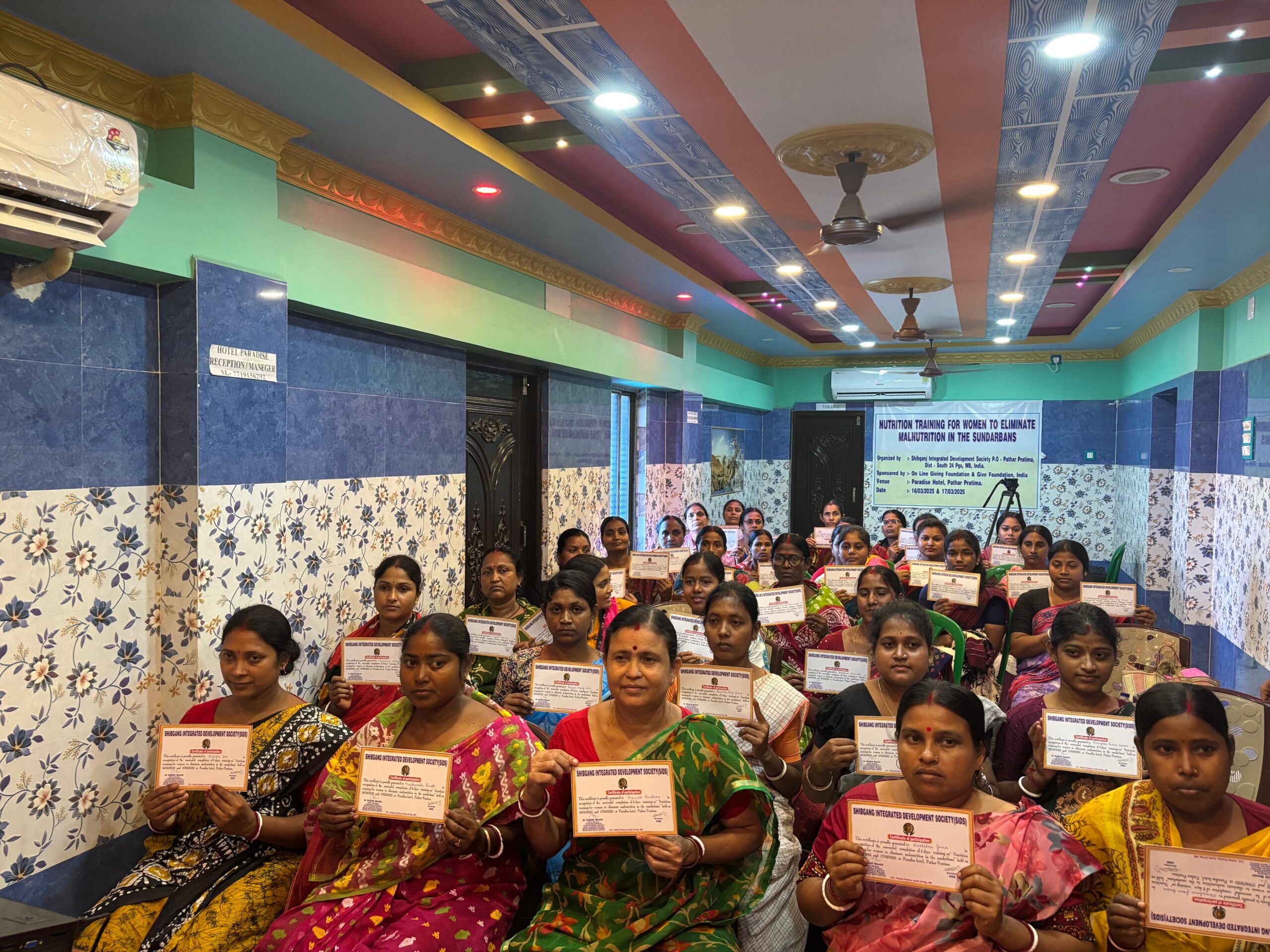
5. Health Education and Nutrition for children and adolescents.
6. Integrated Rural Development
7. Water supply and sanitation.
8. Development of persons with disabilities
9. Strengthen local culture and tradition
10. Agricultural development
11. Child education
12. Disaster management
13. No hunger and Development of aged people

Focus Groups

1. Women
2. Children
3. Adolescents
4. Youths
5. Aged persons
6. Students
7. Needy and disadvantaged people
8. Persons with disabilities
9. Farmer

Success Story

SIDS aligns with the following Sustainable Development Goals (SDGs)

Scroll to Top

Health

Health is a state of complete physical, mental and social well- being. Health is important to live life to the fullest. When a person leads a healthy lifestyle, the body remains healthy and the mind is active and fresh. Living a healthy life would extend longevity and also regenerates the body and mind. The importance of good health in a person’s life is undoubtedly great. A healthy person is a person who is able to serve himself, his nation and his community. Health is the factor that helps a person performs his daily life tasks in a correct and right way. An unhealthy person who suffers from illness sees him weak and meager, unable to properly carry out the duties and responsibilities incumbent on him.

Our health depends upon several factors such as food, pollution, regular sleeping habits, fresh air, water, sunlight and healthy mental condition. Studies show that students with better nutrition have better attention spans, better class participation and higher test scores. For a healthy life cycle, a person needs to have a balanced diet and has to regularly exercise. It is correctly stated that Health is the actual wealth that a person can retain. Good health of both body and mind helps one maintain the required energy level to achieve success in life.

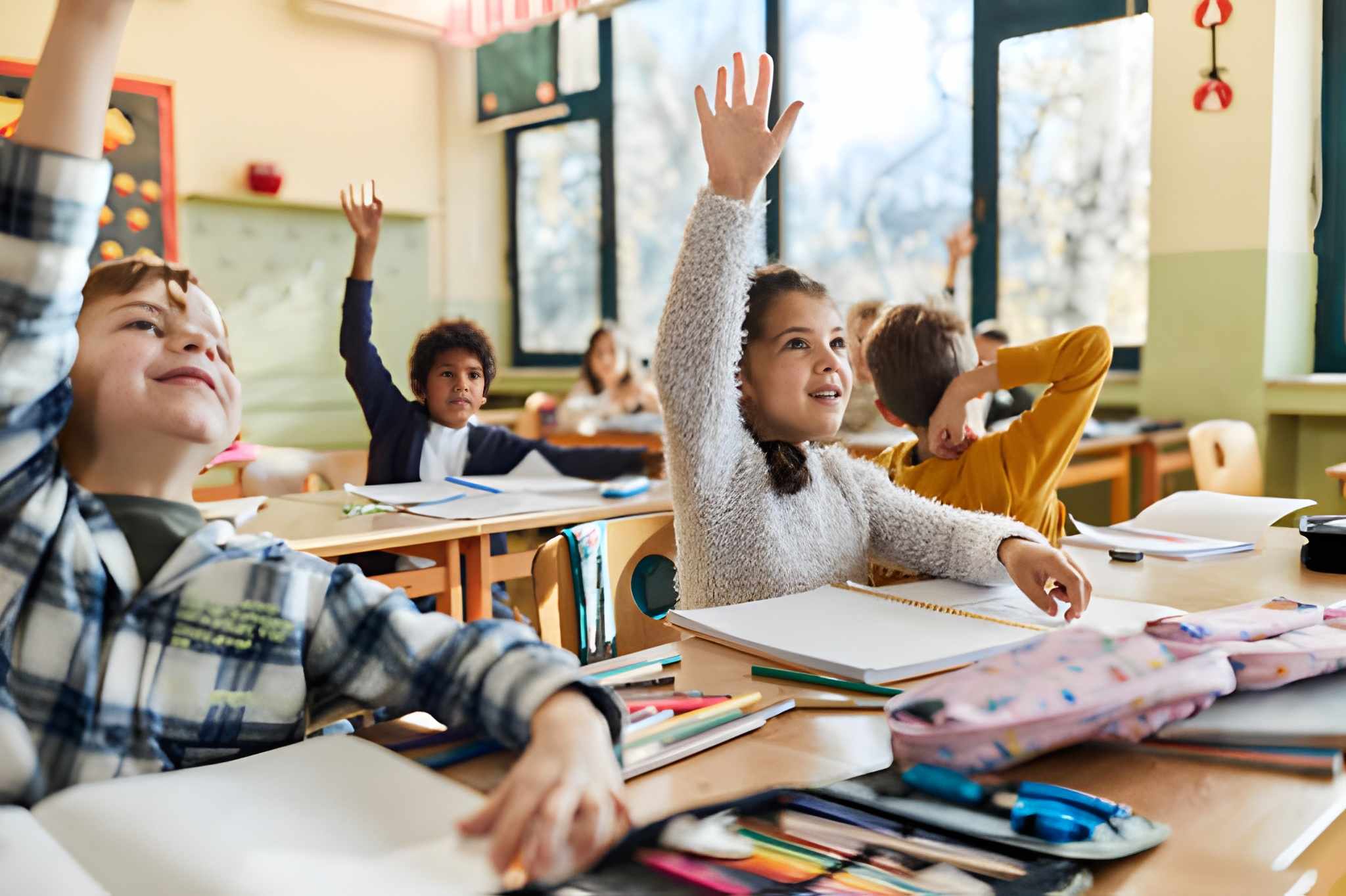
Education

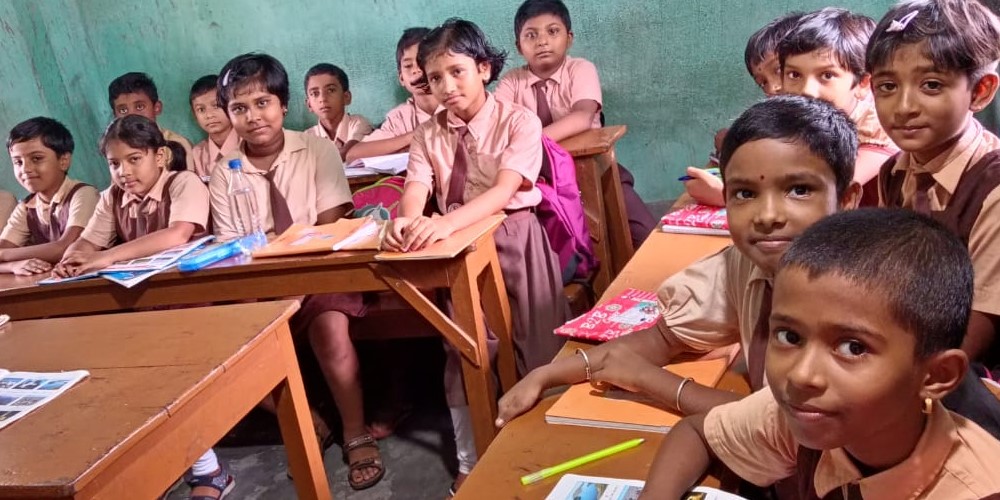
Education is the birthright of every child. Children are the future of our nation. Education is an essential component in a child’s life as it enhances their skill, personality and attitude. Education helps a child in learning humanity, good manners, and how to behave with others. We all parents want to see our kids getting success of life which is possible only through good education. An educated child can bear the ups and downs of his family and achieve a respectable position in society. Early childhood stage is the most vulnerable stage in life. A child’s early years are the foundation for his or her future development, providing a strong base for lifelong learning and learning abilities, including cognitive and social development. During childhood, the importance of education is more as it is an excellent time for children to develop social and mental skills which would help in their growth and success. Understanding the importance of child education, the Indian constitution has imposed the Right to Education act, 2009, to make education mandatory for children between the ages 4 to 6 years.

A school is a place where children learn the basics they need to know for building the future. It provides a foundation for developing skills, more specific to primary education. School life provides stability in life. School is important in a child’s life as it develops self-esteem in a young mind. Children can be able to develop useful activities through education only. It is the only source to ignite this world. Thus, the overall development of children depends on the education they get. Every parent should realize the importance of education and send their children to school on time.

Women Empowerment

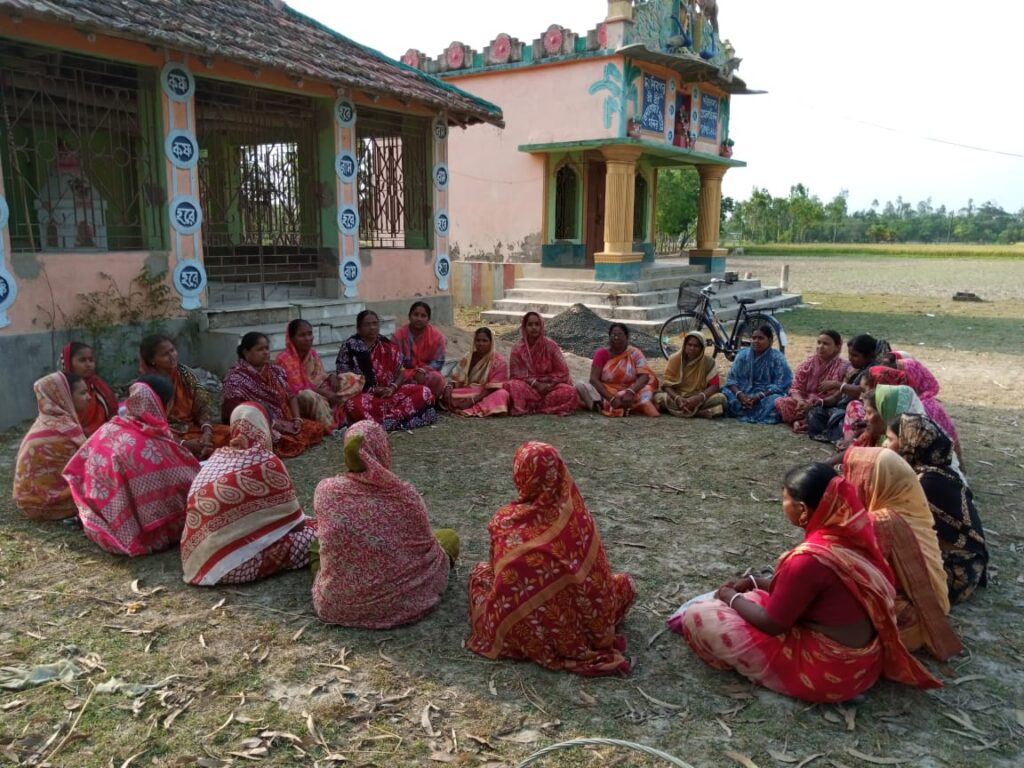
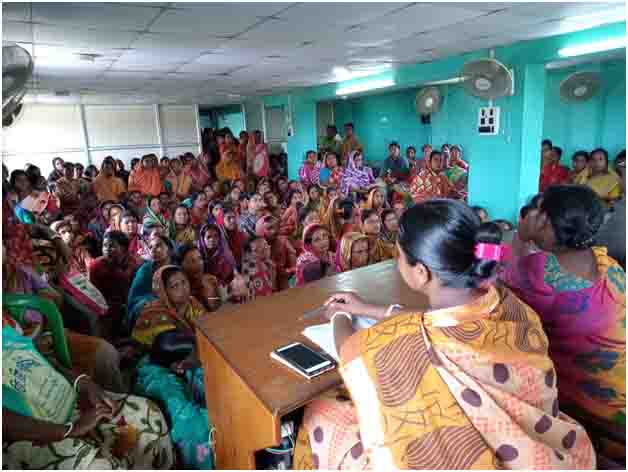
Empowering women is a fundamental right of women. Empowering women is essential to the health and social development of families, communities and countries. When women are living safe, fulfilled and productive lives, they can reach their full potential. Empowering women is ensuring that women have an equal opportunity to engage in all sectors of society. They can have equal rights to participate in education, society, economics and politics. Women in our country face a lot of harassment, verbal abuse, mental abuse, rapes, discrimination at work, etc. Women are still discriminated on their gender. They are not given the same right as men. Women are still paid less, expected to cook, clean etc. They are still strict by their culture and family. However it is possible to help women defend themselves against these injustices with different kinds of empowerment, such as social, economic, educational, political and psychological.

Women are capable, powerful and unstoppable. Women have made the world a better place with their endless strength, determination and belief. The full participation and partnership of both women and men is required in productive and reproductive life, including shared responsibilities for the care and nurturing of children and maintenance of the household. So, women empowerment is really needed in the societies.

Environment

Environmental protection is one of the basic prerequisites for the overall development of any country in the world. It is essential to protect the environment as it is safe for humans and crops and safe for plants and animals. It is very important for us to protect our environment, so that we can continue to live on the planet in a healthy and safe atmosphere. Environmental protection focuses on solving problems arising from the interaction between humans and environmental systems and includes issues related to conservation, pollution, loss of biodiversity, land degradation or environmental policy. We should have to protect the environment to create a better life style for ourselves. Otherwise, we would be consciously participating in the calamity of destroying our planet, and humans, as well as all other living things on earth would face a great loss.

It is more of a moral obligation for humans to protect the environment from pollution and other activities that lead to environmental degradation. Importantly, environmental degradation is detrimental since it threatens the long term health of the animals, humans and plants. It is everyone’s responsibility to take care of the environment to make this planet a wonderful place to live. An environment is a place where everybody meets and lives. It has been rightly said that environment is not a property to diminish. So, everyone must have an opportunity to learn about the importance of environmental protection.

Agriculture

India is a global agricultural powerhouse. It is the world’s largest producer of milk, pulses, and spices and has the world’s largest cattle herd, as well as the largest area under wheat, rice and cotton. It is the second largest producer of rice, wheat, cotton, sugarcane, fruit, vegetables and tea. Though industry has been playing an important role in Indian economy, still the contribution of agriculture in the development of Indian economy cannot be denied. In India at least two-thirds of the working population earns their living through agricultural works. Agriculture is extremely important in our lives because it not just provides us with food; it provides us with employment opportunities, resources and technology. It has been the foundation for man’s existence and survival. It has been a source of food, nourishment and medicine for at least several thousand years. Agriculture and its related activities have always held a significant share in our national income. Both the central and state governments of the country earn significant revenues from the agriculture sector. There are several important industries in India such as cotton and Jute textiles, sugar manufacturing, plantation industries (Tea, Coffee, Rubber) and many agro-based cottage industries that depend on agriculture sector for the supply of their raw materials. Agriculture products constitute a large part of the total exports of the country. Even after over seven decades of planning since the independence, majority of the farmers are still facing problems of poor production and/or poor returns.

Rural Development

Rural development is the process of improving the quality of life and economic well-being of people living in rural areas, often relatively isolated and sparsely populated areas. Traditionally, rural development was centred on the misuse of land-intensive natural resources such as forestry and agriculture. However today, the increasing urbanization and the change in global production networks have transformed the nature of rural areas. Rural areas are known as a village in India. It has a very low population density. Rural development still remains the core of the overall development of the country. In rural areas, agriculture is the chief source of livelihood along with fishing, cottage industries, daily labor wages work, etc. More than two-third of the country’s people is dependent on agriculture for their livelihood, and one-third of rural India is still below the poverty line.

Rural development is a term that concentrates on the actions taken for the development of rural areas to improve the infrastructure of the rural areas, to reduce unemployment by providing opportunities for employment, to provide clean water, education facilities, electricity and proper communication.

However, few areas that demand more focused attention and new initiatives are:
• Education
• Public health and Sanitation
• Women empowerment
• Infrastructure development (electricity, irrigation, etc.)
• Facilities for agriculture extension and research
• Availability of credit
• Employment opportunities

Khuku Rani Jana

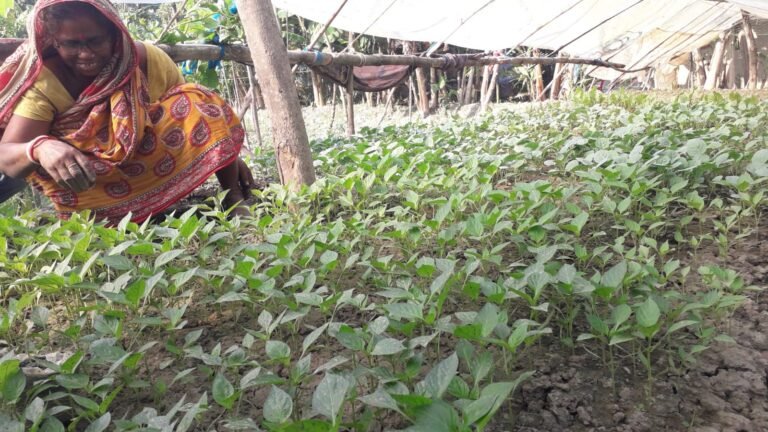
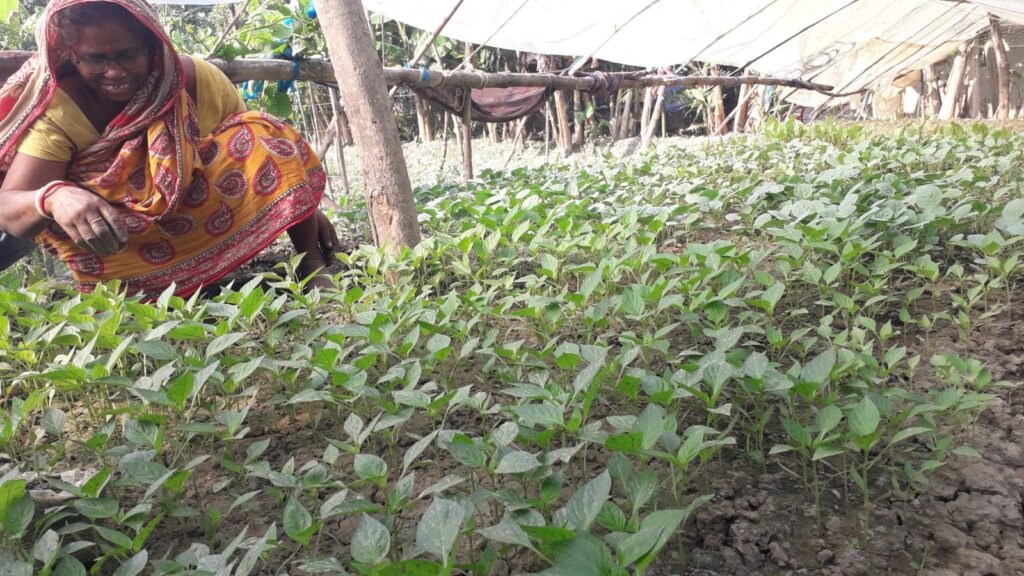
Srimati Khuku Rani Jana is a farmer of Pathar Pratima block in South 24 Parganas district of West Bengal. She participated in the various agricultural training programs organized by SIDS and she was a beneficiary of our project. In 2019 she decided to grow six varieties of crops through the pre-monsoon dry sowing (PMDS) method in her leased land of 0.5 acres. Cucumber cultivation was done in a greenhouse with Natural Farming. Initially, she started the conventional cultivation of Paddy, Tomatoes, cucumber, etc. Later on, realizing the importance of diversified farming, she started cultivation of vegetables in her land. Taking advantages of our scheme, guidance and quality hybrid seeds provided by the SIDS started earning significant profits per season.

Now she cultivated vegetables like radish, chilies, beans, bottle gourd, bitter gourd, lady’s finger, etc. She invested a start-up capital of INR 20,000.00. She is currently actively involved in the Agricultural department for implementing modern technology in agriculture field. She has earned INR 1,40,000.00 without investment capital from this farming in a year. She and her husband work day and night to take care of the vegetable gardens and hence the cost of production is less, giving them better profits.

During her training period Khuku Rani received comprehensive knowledge and know-how ob business planning, marketing policy and monitoring. Khuku Rani is now a successful cultivator. She is motivating women farmer members of various Self- Help Groups to adopt new technologies. Being an aware and hard working farmer, she is an inspiration for the other’s farmers in the area.

Lipika Bera

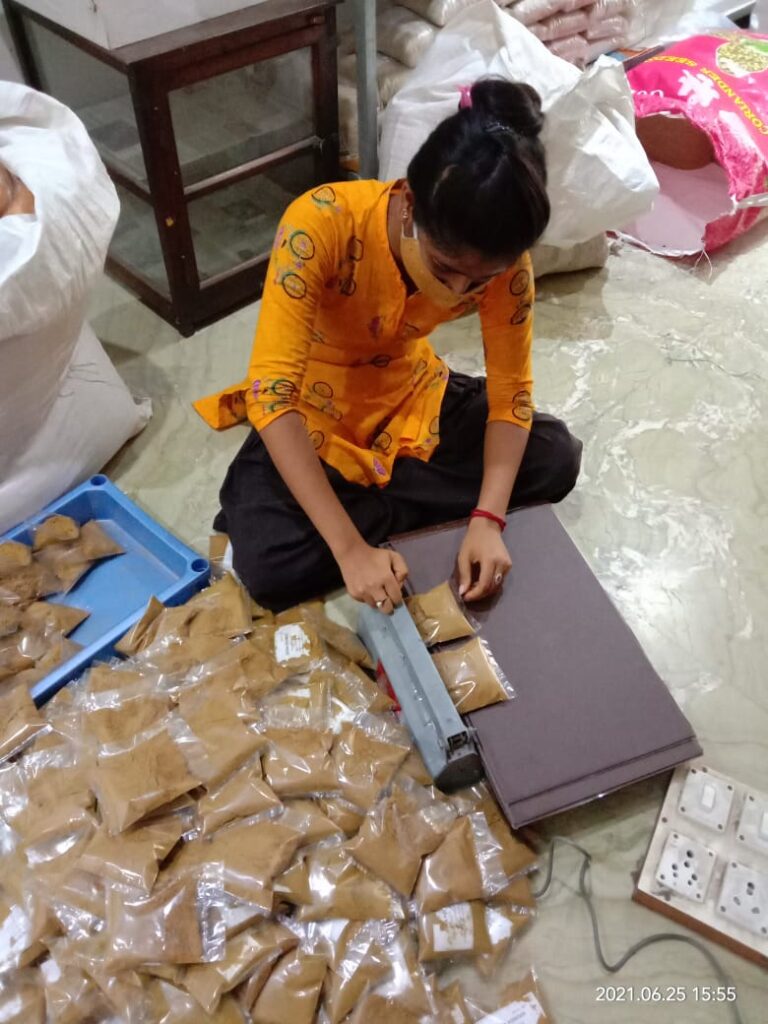
Lipika Bera of village kishori Nagar under Pathar Pratima Gram Panchayat in the district of South 24 Parganas participated in the training on Handicrafts for making of turmeric powder, Chilly powder, cumin powder, katha sewing, etc. Shibganj Integrated Development Society organized the training program with rural poor ten women during three months. She submitted an application to the organization and appeared in the interview for selection of the trainees. She was 24 years of age and her father and mother have no ability to hard work. She has one brother and one sister and no sufficient land for cultivation. There was no regular job for earning.

The authority of the organization selected Lipika devi for participation of the training program. She continued participated in the training program and learned well. She stood first among all trainees. After completing the training she mentally prepared to start the work. She, at first, brought a machine for making various powders from borrowing interest free-money from the local teacher. Many families adjacent to her house come for making various powders such as turmeric powder, chili powder, cumin powder, coriander powder, etc. She makes packets of different powders with her mother and brother and sister at home and sells the products at markets. She left with the machine in various paras/mahallas in the village and made the powder at their home. Everyone likes for her manners and behavior and invites at their home.

She paid back the money borrowed from the teacher on time. She earns Rs. 5000-6000 per Month excluding other expenditures. She joined Self Help Groups and savings some money every month. In the meantime, some big plans came to her mind. Other self Help Group members in the village inspired by the works of Lipika Devi. The another group members are requesting to the authorities of the organization to organize various types of handicrafts and vocational training for the poor women in the rural area. Her family has now reached a respectable position.

Satyabrata Das

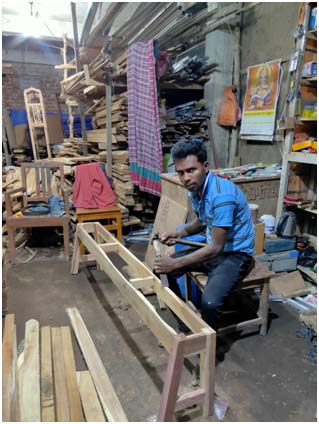
Sri Satyabrata Das of village Durgagovindapur under PatharPratima block in the district of South 24 Parganas participated in the vocational training course on Carpentry organized by SIDS during three months. She comes of a very poor family and due to extreme poverty he dropped out of ninth grade. He used to work as daily labor. In the meantime, he got the news of vocational training from our organization and submitted an application for admission. After taking interview he got a chance to take admission.

He is a youth of 34 years of age. His father is above 76 years and has no ability to work hard. His mother is aged and physically weak. He is the only son of his father. He has married and has one son of 3 years of age. The youth eagerly participated in the training program for three months. During these three months all income in exchange for his labour was off and his family was in a lot of trouble.

After completing the training he mentally prepared to start the work. He purchased the instruments taking a loan from his relative and started the work at his house. Gradually his aptitude for making furniture increased and the scope of business also increased. He has chosen to make furniture as a professional work in his life. Now, he is always engaged in this work. He earnRs. 12000.00 to 15000.00 per month and his family is solvent. The social status of his family has been increased gradually. Quality of the making product is very good and it is getting better. The other youths in the village and adjacent villages were inspired by the work. The consumers are trying to have Satyabrata for their work. Moreover, Demand for furniture made by Satyabrata is increasing day by day in the locality.

Amita Khatua

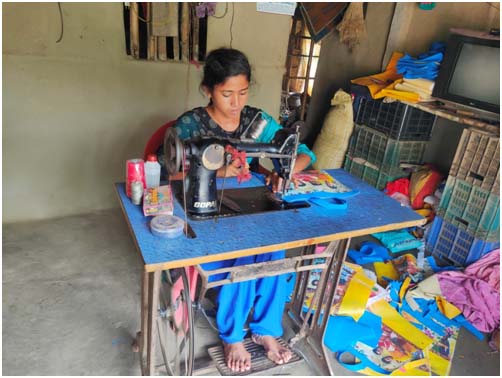
Amita Khatua is a 19 years old girl and she stopped going to school after IX class and was not doing anything after 2019. Her mother is a house wife and father works as a day labor. Her father has no ability to do hard work. We encourage Amita to continue her studies and also learns some skills which can help her earn living for live. She joined our training class on tailoring. She learnt cutting, stitching very quickly and now she can stitch various ladies clothes. Originally she is from a village Durgagobindapur under Pathar Pratima bloc. She has five family members. Her parents are very happy that she will now continue her studies and also learning skills for live. Amita also learnt bag stitching after completing basic tailoring classes and has been stitching different types of bags.

She married when she was 18 years of age. She worked as a maid to contribute to the family’s income. Later she worked as a tailor. She gained steady clients and experience as a good tailor. Subsequently, with her tailoring experience, she started a shop at Pathar Pratima market. She not only learned to stand on her own feet but also helped three others women stand on their by working with her in her bag making business.

She joined a Shelf Help Group. As a member of SHG she received loan for starting her business and her group approved much money by her name for her experience in tailoring and bag making works. She is role model to her group and to the community. She earn Rs 12000.00 to 13000.00 per month excluding others expenditure. Now her family is solvent. Other group members in that village were inspired by the works of Amita devi. The group members are requesting to the authorities of the organization to organize various types of vocational training for the poor women in rural area. The social status of the family of Amita Devi has been increased Gradually, her mother is trying to involve herself in the business with her daughter. Quality of the making product is very good. The consumers are trying to buy the products from her shop. We say, “Women empowerment” that will come in this way and the rural women will be self- sufficient during the period of economic crisis.

Kumari Nabanita Das

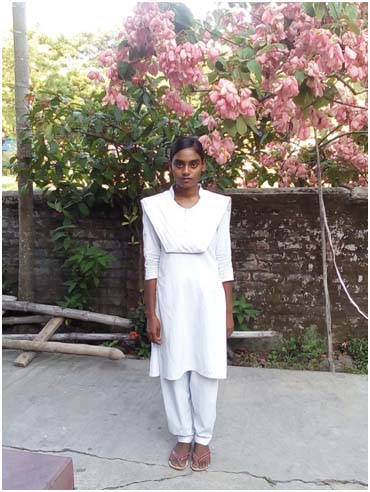
Kumari Nabanita Das D/o Arun Das is a student of Class –X and resident of DakshinLakshminarayanpur village. She comes of a very poor family and her father is separated and residing in another place. Nabanita and her sister with mother live in a body. When SIDS initiated personal meeting with the adolescent girls for participating in a seminar on Health education for adolescents, she was shy and inexpressive, hesitant and lacked confidence. After several times meeting with her she came in the seminar.

After participating in the seminar she knew about sanitary napkins and their advantages over traditional methods.Moreover She learnt adolescence is a beautiful period of life and menstruation is a phenomenon unique to all females. It is a natural process. It is linked with several misconceptions and practices which sometimes result into adverse health outcomes. She is now motivated and accustomed to to use sanitary napkins.

Gradually she has started participating in the discussions with the other girls and women. She moved on to help these girls and women and introduced them to sanitary napkins. Her efforts were highly appreciated by the women in the locality. She is continuing her efforts to make more aware about this issue by devoting more time and efforts towards this social cause.

Arati Midya

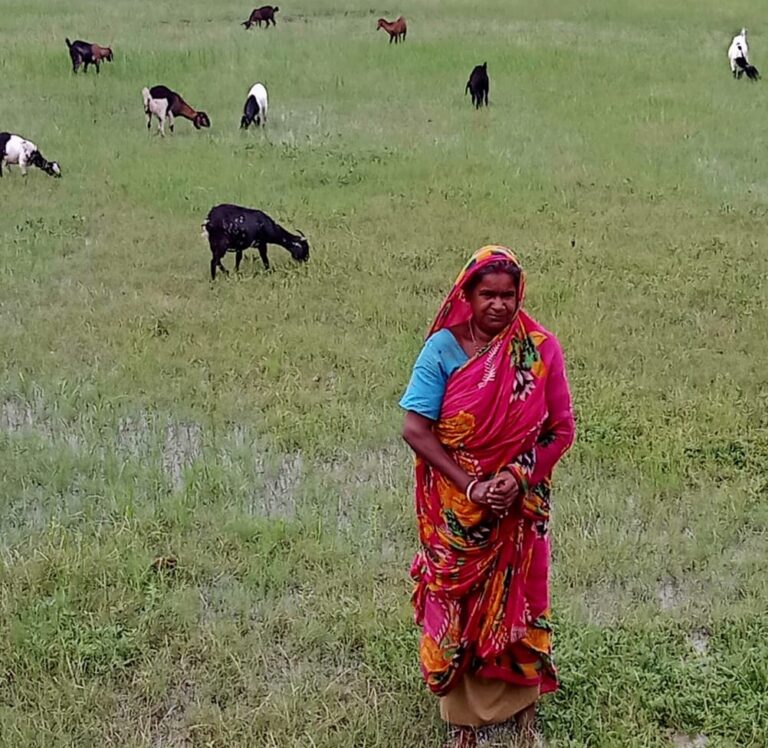
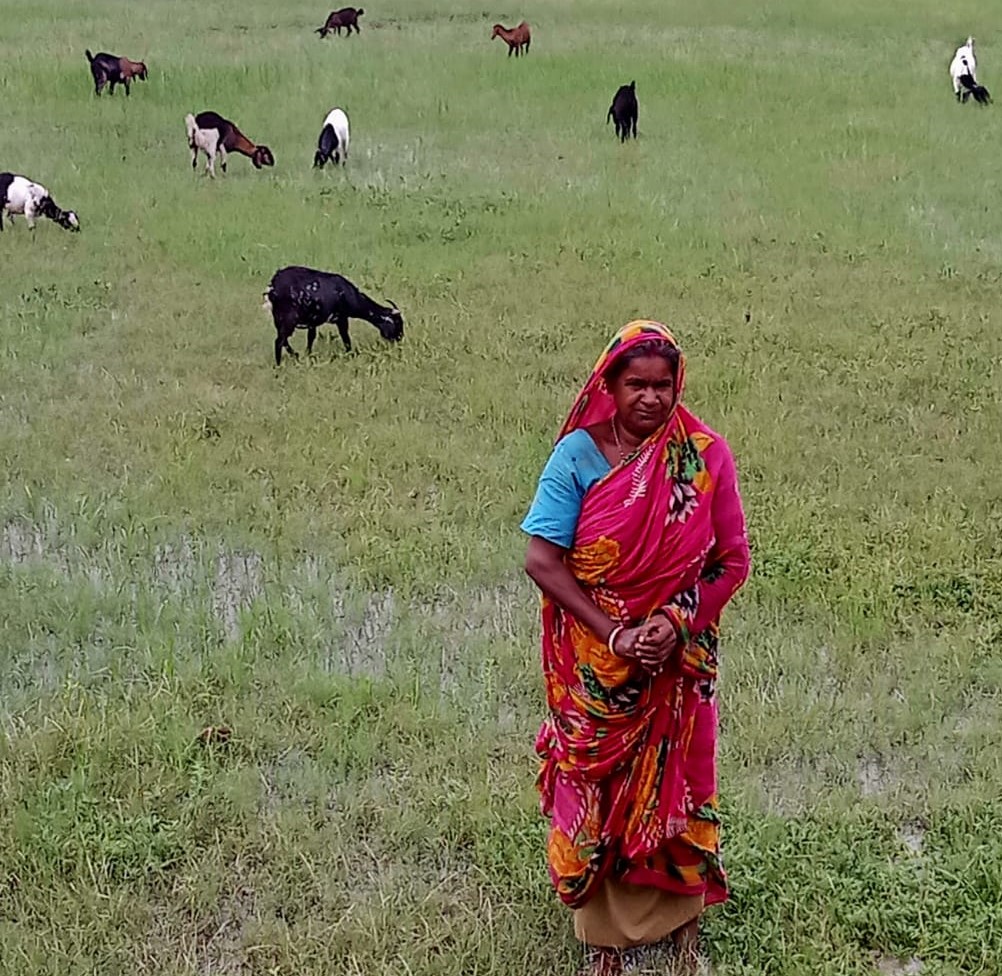
Goat rearing has emerged as a sustainable and empowering livelihood option for unemployed women in the Sundarbans, requiring low initial investment, minimal management, and offering steady income due to high demand for goat meat and milk. Recognizing this potential, Shibganj Integrated Development Society (SIDS) implemented a goat rearing livelihood project during 2023–24, selecting eight women beneficiaries and supporting them with livestock, training, and technical guidance.

Arati Midya, a resident of Kishori Nagar village in South 24 Parganas district, was one of the beneficiaries of this initiative. Before joining the project, her family depended on irregular daily wages, making it difficult to meet basic needs. Under the project, Arati received three female goats along with fodder, medicines, and support for constructing a goat rearing shed. She actively participated in a two-day training program organized by SIDS, where she learned scientific goat rearing practices, disease management, and basic marketing skills.

With continuous support from SIDS staff and periodic visits by a veterinary surgeon, Arati managed the goats efficiently. Her dedication and family support resulted in remarkable growth. Within one and a half years, the number of goats increased from three to twelve. During this period, she sold four male goats and earned ₹24,000, providing her family with much-needed financial stability.

Today, Arati expects to earn at least ₹48,000 annually from goat rearing. She has become confident, economically independent, and now motivates other women from Self-Help Groups to adopt goat rearing as a viable livelihood option. Her success has brought happiness to her family and inspired her community.